
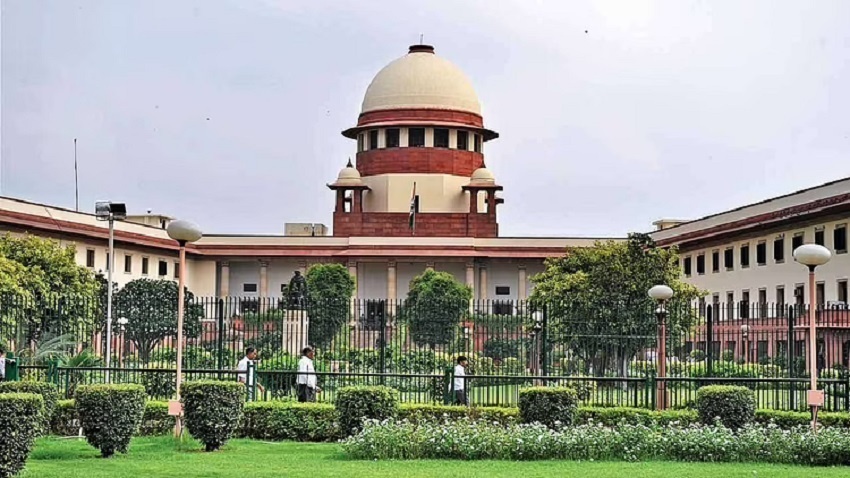
TNI Bureau: The Supreme Court of India today strongly criticized courts in Odisha for imposing bail conditions that required accused persons from Dalit and Adivasi communities to clean police stations for two months.
Calling the condition “obnoxious” and caste-biased, the Court declared such bail orders null and void and directed all courts across the country not to impose similar conditions in the future.
A Bench comprising Chief Justice of India Surya Kant and Justice Joymalya Bagchi said the conditions were degrading, humiliating, and violative of human rights. The Court observed that such directions reflected a colonial mindset and were contrary to constitutional values of equality and dignity.
“We are deeply disappointed and disheartened,” the Court said, adding that such conditions wrongly presume guilt and undermine the dignity of the accused.
The Supreme Court also noted that these orders created an impression of caste bias within the judiciary, especially as the accused belonged to marginalized communities. It observed that no such conditions appeared to be imposed on persons from privileged sections of society.
Referring to Articles 14, 16, and 17 of the Constitution, the Court reminded the judiciary of its duty to protect equality, dignity, and the rights of vulnerable communities.
The matter came before the Court through a suo motu case based on media reports regarding such bail conditions in Odisha.
One such order had been passed by the Orissa High Court in May 2025, directing an accused person to clean the Kashipur Police Station premises every morning for two months. Similar orders were also reportedly issued by courts in Rayagada district.
According to reports, eight such bail orders were passed between May 2025 and January 2026 in cases linked to anti-mining protests in Odisha, involving mostly Dalit and Adivasi accused.
The Supreme Court directed that its order be circulated to all High Courts across the country to ensure that no judiciary imposes such caste-coloured and oppressive bail conditions in the future.

